EUROPEAN RESEARCH FUNDING

Turning a research idea into a compelling European proposal

Preparing a competitive European research proposal is a long, demanding and deeply collaborative process. It often begins several months before the submission deadline and involves far more than simply reviewing the final application.

Expressum supports researchers and research teams in defining, structuring and presenting their projects through working meetings, brainstorming sessions, discussions about scientific positioning, successive rounds of drafting and in-depth revision through to the final submission stage.

This support draws on more than fifteen years of experience with European research programmes, combined with long-standing expertise in scholarly writing, academic editing and research evaluation.
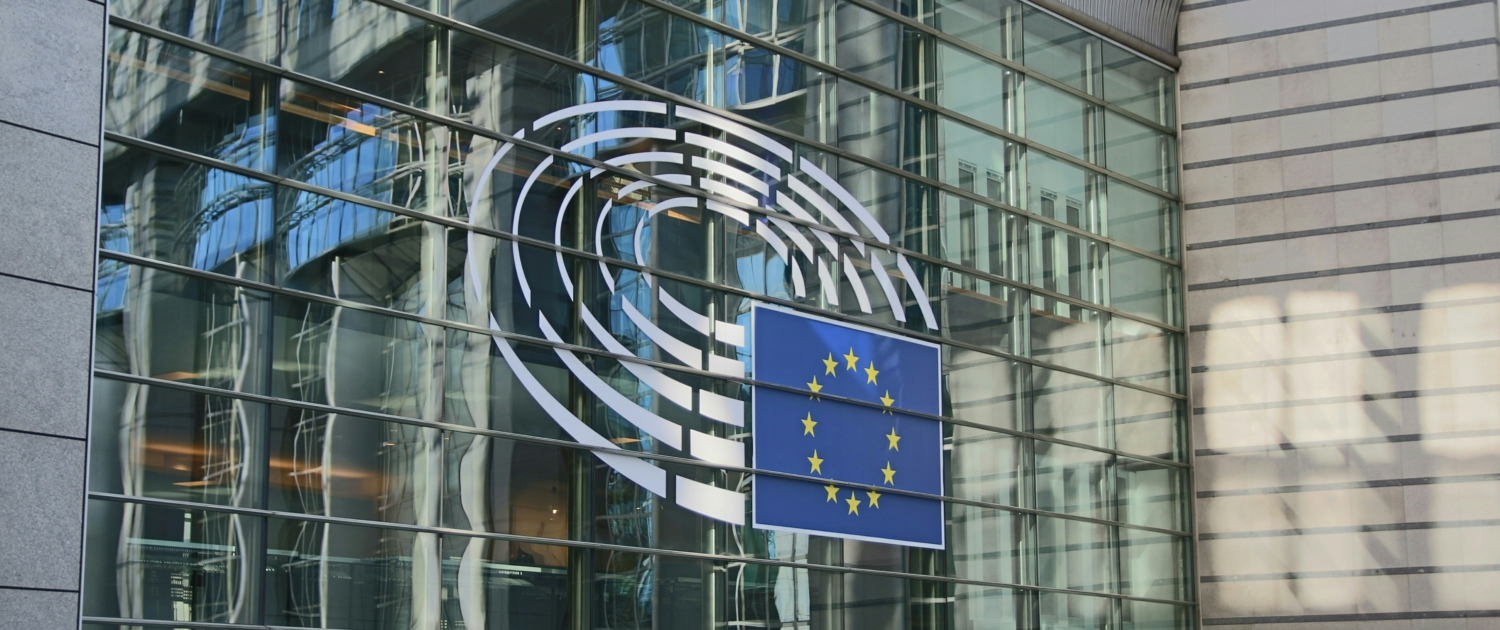
European Parliament in Brussels

LONG-TERM SUPPORT

A proposal takes shape over time, often over several months

Support ideally begins well before the submission deadline. Through working meetings, discussions and successive drafts, the project evolves: some ideas are refined, others reorganised, choices are discussed, and the overall argument gradually becomes clearer and more coherent.

The process is adapted to each team and each project. It may begin with initial discussions around an idea that is still taking shape, or with a proposal that is already substantially developed.

  • Frame the project
    Initial discussions about the research idea, its objectives, its context and how the project can be presented with maximum clarity.
  • Brainstorm together
    Working sessions to explore different ways of approaching the project, test ideas and identify questions that still need to be developed.
  • Build the architecture
    Work on the overall structure of the proposal, the relationship between its different parts and the progression of the argument.
  • Work through successive drafts
    Reading, commenting and revising successive versions, with regular discussion of the changes that should be made.
  • Discuss and refine choices
    Exchanges about scientific and editorial choices, priorities to emphasise, and points that need to be developed, clarified or tightened.
  • Polish for submission
    Final revisions focusing on overall coherence, precision and readability in the version intended for submission.

PROJECT SCOPE

Bringing science, structure and clarity together

A European proposal must transform a scientific idea into a coherent, structured, and immediately understandable project. Support may cover the entire development process or specific aspects, depending on the project’s stage of development and the published criteria for the relevant call for proposals.

  1. Scientific question and objectives
  2. Positioning and state of the art
  3. Methodology and work plan
  4. Project structure and roles of partners
  5. Impact, dissemination and communication
  6. Alignment with the call and its published criteria

A COLLABORATIVE WORKING METHOD

From the initial idea to a submission-ready proposal

A strong European proposal is rarely built in a single step. Support often extends over several months, alternating working meetings, substantive discussions, critical reading, comments and successive rounds of revision. The pace is adapted to the call timetable, the stage reached by the project and the needs of the team.

01 — Framing

Frame and explore

Initial meetings to understand the research idea, its objectives, its context and the expectations of the team. This phase helps identify questions that need clarification, choices that require discussion and different ways of organising the project in relation to publicly available documents and criteria.

02 — Building

Build together

Brainstorming sessions and regular exchanges around the project structure, its positioning, the relationship between its different dimensions and the priorities that need to emerge more clearly in the proposal.

03 — Cycles

Work in cycles

Critical reading of successive drafts, detailed comments, discussions with the researcher or team, followed by further revision. Some points may be revisited several times until the structure, argument and wording are sufficiently strong.

04 — Finalising

Finalise the proposal

A final review of the version intended for submission, with particular attention to overall coherence, clarity, precision and alignment with the published requirements of the relevant call.

TWO ERC ADVANCED GRANTS

From proposal preparation to project development

For some projects, Expressum’s involvement begins several months before submission and continues well beyond the application itself. AGRELITA and Locus Ludi illustrate this continuity: reflection and drafting before submission, followed by linguistic, editorial and digital support throughout the life of the project.

AGRELITA — ERC Advanced Grant

Before submission: support in preparing the application through working meetings and brainstorming sessions, discussions on how to structure and present the project, successive rounds of revision and rewriting, and translation of sections initially drafted in French.

After funding: long-term collaboration with the project, including numerous specialist translations for its publications, activities and dissemination materials.

LOCUS LUDI — ERC Advanced Grant

Before submission: support, advice and brainstorming around the application, collaborative work on the structure and presentation of the project, successive rounds of rewriting, and translation of sections drafted in French.

After funding: extensive translation and in-depth English editing, together with the design, development and maintenance of the project’s substantial website, locusludi.ch.

As the project evolved, as much content as possible was subsequently transferred to the Hypothèses platform. In addition to meeting the relevant institutional and technical requirements, this provides the project’s scholarly resources with a more durable long-term home.

Support does not stop at submission.
Where the needs of the project justify it, Expressum can continue the collaboration after funding through translation, scholarly editing, editorial content, digital communication and the development of web resources.

European flag in Brussels

EUROPEAN EXPERIENCE

More than fifteen years of experience with European programmes

Since 2011, Alexandre G. Mitchell has regularly served as an independent expert within European research, training and scientific cooperation programmes. Experience acquired across numerous calls and hundreds of proposals has provided a deep understanding of the demands involved in complex international research projects.

Independent expert

Regular participation in the evaluation of proposals across different European programmes, including research, training, mobility and scientific cooperation projects.

Rapporteur and Vice-Chair

Roles undertaken across numerous calls, involving responsibilities for synthesis, coordination and discussion around complex research proposals.

15+ years of experience

Continuous involvement since 2011, encompassing hundreds of proposals across a wide range of programmes, formats and disciplines.

Professional experience applied to each project.

Expressum’s support is based exclusively on publicly available documents and criteria, on the general professional experience gained across European programmes, and on the analysis of each client’s own project.

Preparing a European research proposal?

Whether your idea is still taking shape or your proposal is already substantially developed, get in touch sufficiently early to discuss the type of support that would be most useful for your project.